In the heart of the Arabian Peninsula, an ambitious endeavor to restore lost ecosystems is not only revitalizing landscapes but also reshaping the field of conservation science. Rewilding projects in the UAE and Saudi Arabia are pioneering efforts that offer invaluable insights to scientists worldwide.
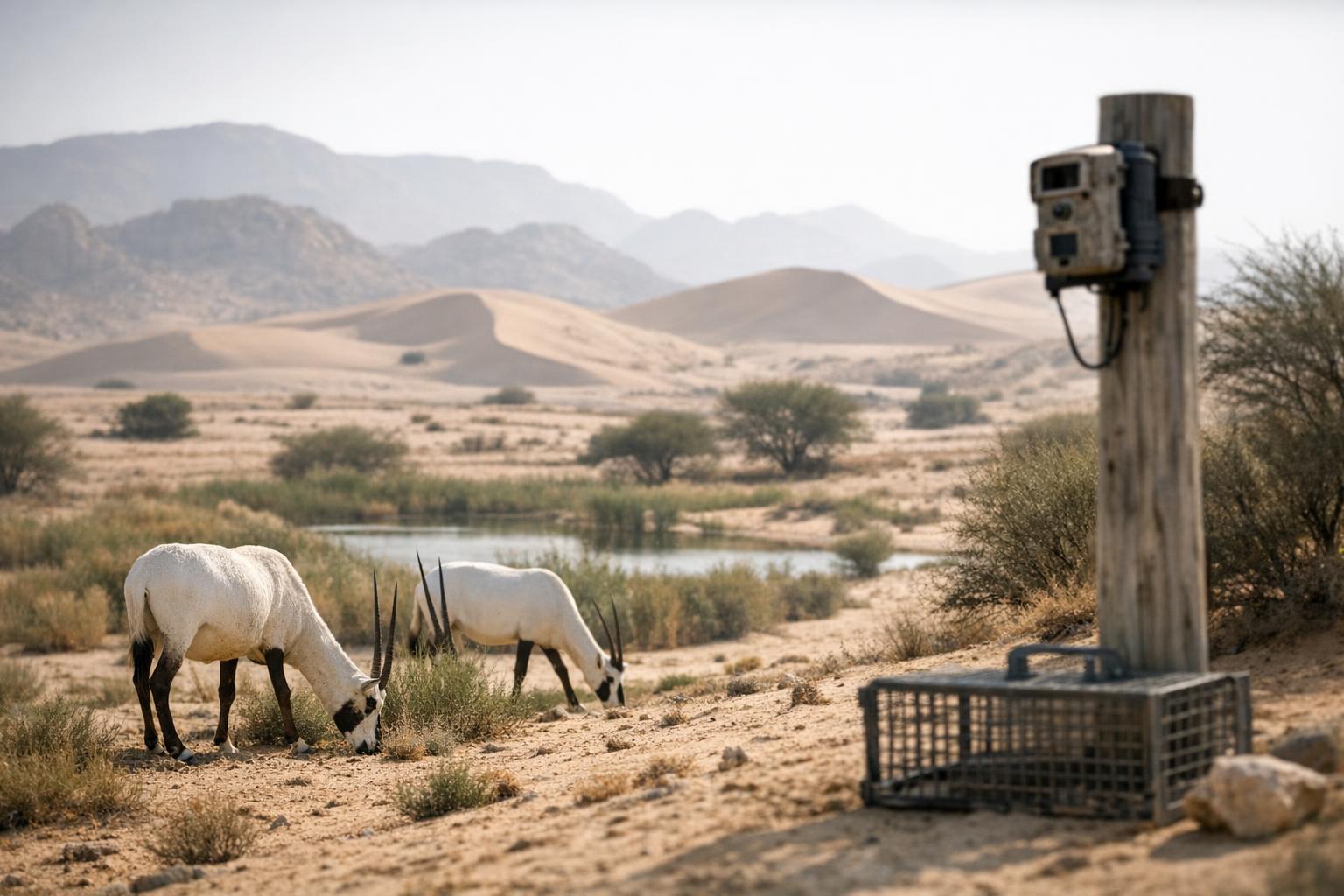
Rewilding, the process of restoring ecosystems to their natural state, is gaining momentum in the Middle East. Both the UAE and Saudi Arabia have embarked on ambitious projects to reintroduce native species and rehabilitate natural habitats. These initiatives are not only a testament to the region's commitment to environmental sustainability but also a burgeoning field of study for conservation scientists.
The Context of Middle Eastern Rewilding
Historical Perspectives on Rewilding
Historically, the Arabian Peninsula's vast deserts and arid landscapes have supported unique ecosystems that have evolved over millennia. However, with the advent of industrialization and urban expansion, many native species faced extinction, and ecosystems were disrupted. Rewilding projects aim to reverse this trend by restoring these landscapes to their historical ecological balance.
From the reintroduction of the Arabian oryx to the restoration of mangrove forests, these projects blend traditional ecological knowledge with cutting-edge scientific techniques. Field expeditions are uncovering the resilience of desert ecosystems and providing a blueprint for similar initiatives globally.

The Human Element in Conservation
Scientific Implications of Rewilding
At the heart of these efforts are dedicated conservationists and scientists who bring these projects to life. Their stories of perseverance and passion highlight the human element behind ecological restoration. By collaborating with local communities, these projects ensure that conservation efforts are sustainable and culturally relevant.
The scientific significance of these rewilding projects cannot be overstated. They provide real-world laboratories for studying ecosystem dynamics, species interactions, and the long-term impacts of human intervention. Conservation scientists are gleaning insights that inform both local and global conservation strategies, advancing the field of middle east conservation science.
Global Lessons from the Middle East
Furthermore, these projects highlight the role of innovation in conservation. From drone-based monitoring to genetic research, technologies are playing a crucial role in understanding and managing the complex dynamics of ecosystem restoration.
The lessons learned from rewilding in the Middle East extend far beyond regional borders. They offer valuable insights into the challenges and successes of ecological restoration in arid environments, providing models that can be adapted to other contexts worldwide.
As climate change and biodiversity loss continue to threaten ecosystems globally, the pioneering work in the UAE and Saudi Arabia serves as a beacon of hope and a call to action for conservationists everywhere.
The Explorers Club Middle East Chapter invites you to delve deeper into these groundbreaking projects and join our mission to advance scientific exploration and conservation across the region. Stay connected with us to learn more about our upcoming expeditions and research initiatives.